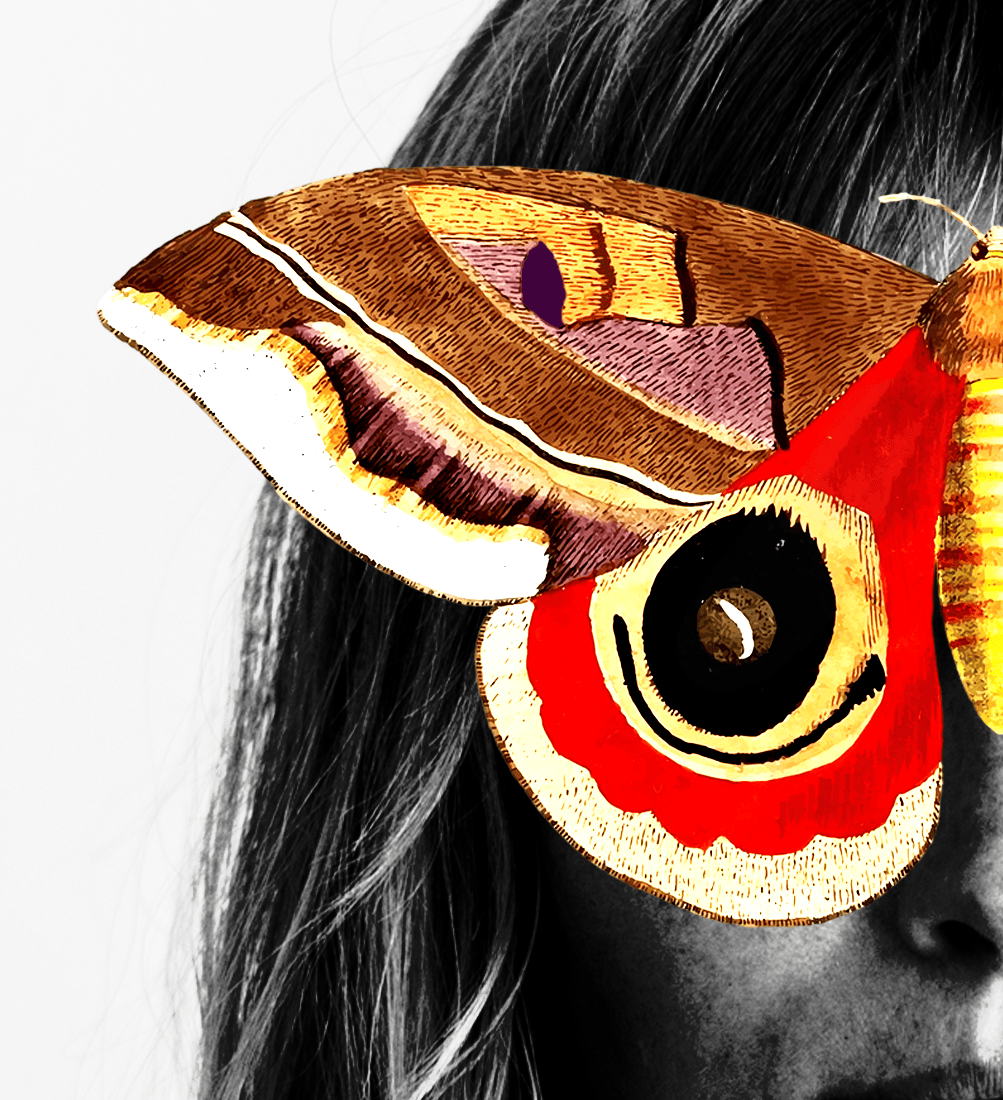
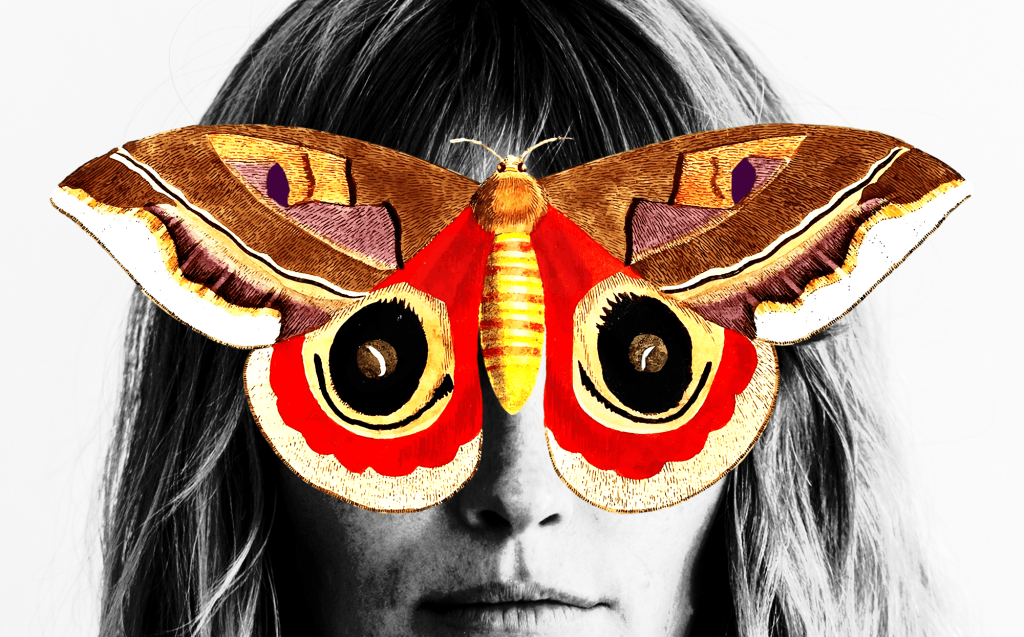
Drawn to the lights, the twinkling displays, she cannot look away.
She is stuck in a honey trap of her own creation; born out of habits she practices in shame.
She did not intend to be here again. Another night spent looking at the light, the sounds, colour. Moving faster.
Ever quicker.
If she keeps looking at the light, this little handheld lamp, she is safe. The lights are moving quicker now. Her thumb moves up the light, changing it again. Her time is slipping away under its thrall.
She does not care.
Or she does. She has not yet decided.
Those thoughts are too hard, too much, too soon.
Best to keep looking at the light.
Molly Murray-Byrne
Growing up we had a family computer, an old clunky box that I shared with my parents and older sister. As the youngest I was usually last in line for the computer so I learnt to fill my time with reading, art, riding my bike, anything that would banish my boredom. This clunky box in our study is where the internet was. It was a place I could sit at, a spot in our house with endless digital possibilities but the physical limitations of old technology. Now the internet is everywhere, carried in our pockets as a parasitic companion that is feeling harder to detach from every day.
We imagine an addict as someone looking for their next fix, controlled by the substance they abuse. We picture a street walker, an alcoholic, someone with the ‘look’ of a user. But we do not necessarily picture ourselves as addicts, slaves to our screens. Merriam-Webster defines an addict as “one exhibiting a compulsive, chronic, physiological or psychological need for a habit-forming substance, behaviour, or activity”. Many of us cannot live or function without our smartphones, compulsively checking the screen for notifications or not allowing ourselves to sit in silence without a screen inches from our faces.
The term ‘phone addiction’ has sounded laughable in the past, but more studies are being conducted every year that show the true nature of our connection to our phones. Shabani et al (2025) studied phone usage and addiction in university aged students, finding that 84.6% of respondents had feelings of distress or anxiety when without their phone. They also found that prolonged phone usage has detrimental effects on physical health as well as mental, with reports of neck and wrist pain as well as other musculoskeletal issues.
We are recognising our attachment to our phones and seeing the negative effects, and companies are now seeing a gap in the market for a quick fix solution. Brick is a product that locks certain apps and features on your phone, only allowing you to unlock them by physically tapping your phone against the Brick. Their intentions are seemingly good, but the apparent need to buy another product to stave off addiction to the first is feeling like a dark comedy sketch writing itself where we truly cannot escape an addictive capitalist echo chamber.
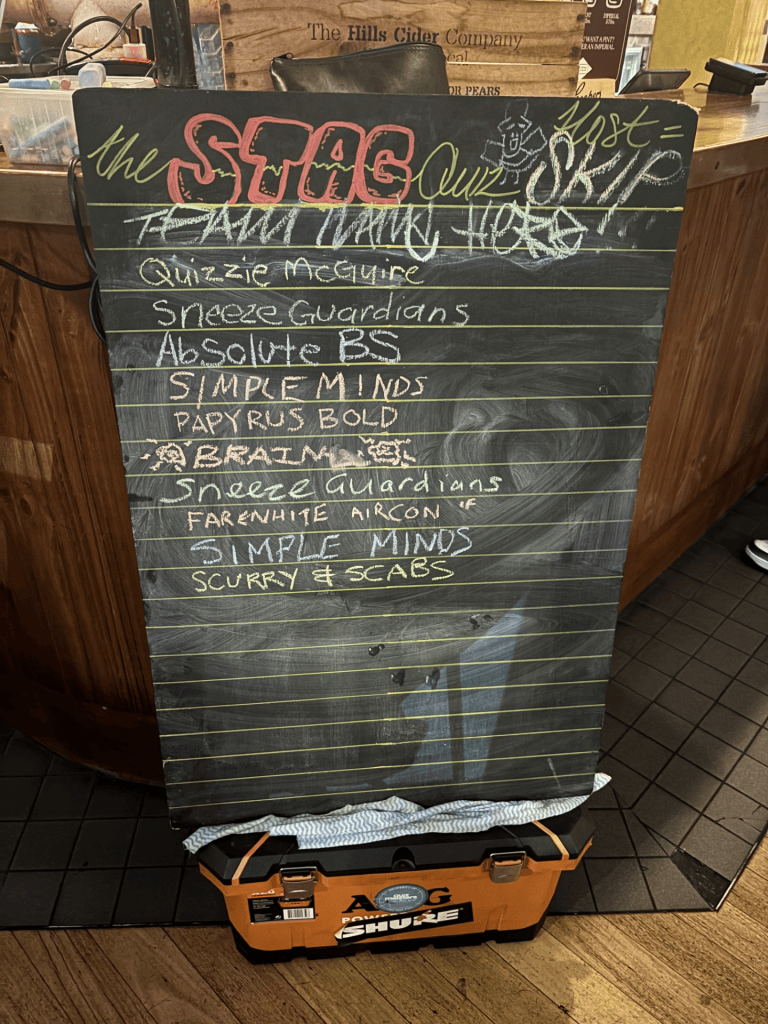
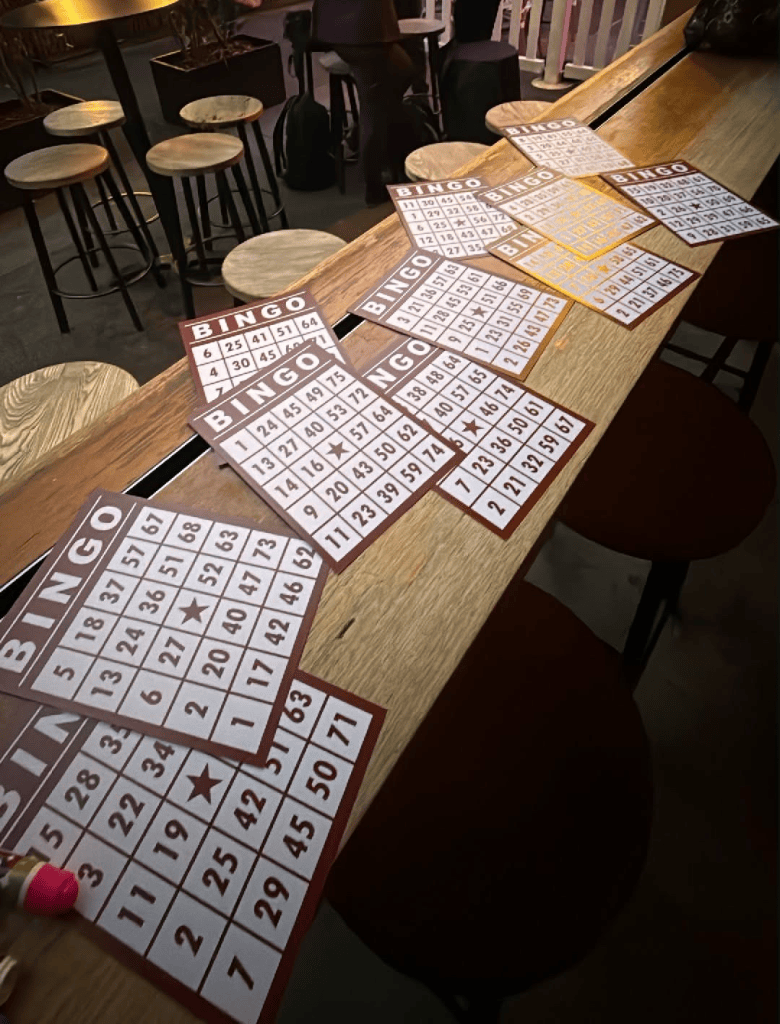
All hope is not lost, however. Reading as a hobby has gained immense popularity in younger generations, and the post-Covid era has found people coming together to intentionally build communities in the real world. Quiz nights are huge, run clubs are inescapable, and just the other week my friends and I went to bingo to try something new. Even online, people are talking about their own addictive habits around their phones and sharing ways that helped them mitigate the detrimental effects. However, a total removal of our phones is not a viable option in today’s climate, where most restaurants use a QR code in place of physical menus and the yellow pages does not show up at my door anymore. Perhaps the best we can do for right now is to recognise when we are trapped by the light of our screens like little moths and remember that we have the ability to look up and fly away.
I wrote The Moth after being inspired by Lora Pokrajac’s video and poem of the same name. I came across the video on Instagram late one night and it’s searing reality check shocked me out of my doomscroll and left such an imprint in my mind that I could only write about it. I guess that is what good art does.


Leave a Reply